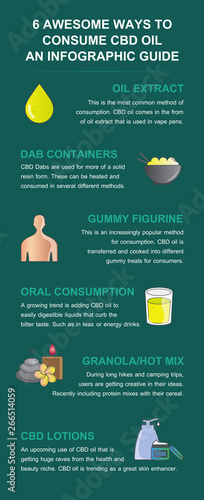
As discussions concerning wellness keeps to evolve, CBD, commonly recognized as cannabidiol, has emerged as an important factor in healthcare and wellness sector. Extracted from Severe Period Cramps Relief , CBD offers numerous potential benefits which have sparked the curiosity of scientists, health enthusiasts, and individuals exploring non-traditional therapies. With its non-psychoactive properties, CBD is being explored for therapeutic use, ranging from pain management as well as anxiety relief.
One area that has gained attention involves the use of CBD in treating certain health challenges, including dyspareunia a condition marked by pain during coitus. A lot of people are using cannabidiol suppositories for focused relief, looking for a more natural solution to alleviating discomfort. Moreover, the potential applications of CBD in supporting pelvic health showcases its adaptability, presenting a viable replacement for traditional treatments. As we explore further into CBD's benefits, it's crucial to compare its efficacy compared to traditional medicines, including narcotics, to gain insight into its overall effectiveness in promoting overall well-being.
Understanding CBD Suppositories
CBD suppository forms are a unique administration route for cannabidiol, designed to enable quick absorption into the bloodstream. Different from common forms of CBD such as oils or edibles, these suppositories circumvent the digestive system, allowing for better and direct access to the body's endocannabinoid system. This results in faster effects, which is particularly advantageous for individuals seeking immediate relief from certain symptoms.
For numerous people, CBD suppository forms provide an alternative for managing pelvic discomfort or dyspareunia, which are problems that can significantly affect intimate health and overall quality of life. By using the rectal or vaginal route, users may feel lessened inflammation and pain relief better than with oral consumption. This route of administration could produce fewer side effects compared to pharmaceuticals, making it a preferred option for those looking to avoid traditional pain management approaches.
Additionally, the application of CBD in suppository form has gained focus in discussions comparing CBD and opioids for pain relief. Though opioids can lead to dependency and have numerous side effects, cannabidiol suppository forms offer a non-habit forming alternative. https://news.cuanschutz.edu/cancer-center/cbd-cancer-related-pain-sleeplessness-and-depression has led to mounting interest in their capability for providing a more secure option for chronic pain management, making them a focal point in exploring holistic health solutions.
Cannabidiol for Dyspareunia: An Answer?
Dyspareunia, or painful intercourse, can be a distressing condition for many individuals and partners. Various factors, including physical and psychological issues, contribute to this discomfort, leading to annoyance and reduced intimacy. Lately, CBD has surfaced as a possible solution for those experiencing this issue, with some personal stories suggesting that it may help alleviate pain and enhance the overall intercourse.
One of the ways cannabidiol may assist is through its ability to interact with the endocannabinoid system, which controls various bodily processes, including the perception of pain. By possibly reducing inflammation and reducing anxiety, CBD could create a more pleasant atmosphere for intimacy. Additionally, the calming effects of CBD may help to tackle the psychological obstacles couples face when dealing with painful intercourse, promoting a more calm state that is conducive to sexual activity.
Cannabidiol insertable forms, in particularity, offer a novel way that provides targeted relief. By applying CBD directly into the vagina, users may experience faster results right at the site of pain. This method also provides an option for those who are unsure to use conventional oral or topical CBD products, making it a promising option for individuals seeking to manage painful intercourse successfully.
Cannabidiol for Pelvic Pain Relief
Pelvic pain can substantially impact a person's quality of life, often leading to pain during daily activities and intimacy. Many individuals experiencing pelvic pain are searching for alternative treatments, and CBD has emerged as a promising option. Its inflammation-reducing properties may help reduce pain and discomfort associated with various conditions affecting the pelvic region. By engaging with the body’s endocannabinoid system, CBD may promote a sense of wellness and relief.
For those dealing with dyspareunia, or painful intercourse, CBD products such as cannabidiol suppositories offer a direct application method that can address localized pain. This delivery system facilitates quicker absorption and possible relief from discomfort during intimate moments. Patients have reported that using CBD suppositories can enhance their overall experience, making intimacy more enjoyable and less painful.
The discussion surrounding CBD and its effectiveness extends to comparisons with conventional treatments, including opioids. While opioids are commonly prescribed for pain relief, they come with significant risks of addiction and side effects. CBD, on the other hand, is generally well tolerated and poses a reduced risk profile. This makes it an appealing option for pelvic pain relief, providing a natural alternative for those looking to avoid the complications associated with opioid use.
Comparing cannabidiol versus Opioids
The application of opioids for alleviating pain has traditionally been a standard practice in medicine, but the potential for dependency and fatal overdose has led to a increasing search for more secure alternatives. CBD, or hemp extract, is gaining recognition as a viable option for managing discomfort, particularly for conditions such as painful intercourse and pelvic pain. Unlike opioids, which bind to the body's opioid sites and can produce feelings of euphoria, CBD interacts with the endocannabinoid system, potentially providing comfort without the intense feeling and the risk of addiction.
Research indicates that CBD can serve as an effective anti-inflammatory and pain reliever, which may help alleviate chronic pain conditions. This places CBD as a viable alternative for individuals seeking comfort from pain while wanting to avoid the negative consequences associated with opioid use. Moreover, CBD is typically considered to have a positive safety profile, with fewer side effects compared to traditional pain medications, making it a more attractive option for extended management.
Patients and healthcare providers alike are growing more informed of the benefits of incorporating CBD into treatment plans. As more studies emphasize the potential of CBD for various types of pain, including pelvic pain, the discussion about substituting or supplementing opioids with cannabinoids is growing. This change in viewpoint could lead to a more comprehensive approaches to dealing with pain that prioritize safety and efficacy, ultimately improving health outcomes for patients.